Why Moving the Toilet Is the Most Expensive Decision in a Bathroom Remodel
Most homeowners walk into a bathroom remodel thinking the big-cost decisions are tile selection, vanity tier, and what the shower glass looks like. Those decisions matter. But the single most expensive choice in a typical bathroom remodel — the one that moves the budget more than any finish — is whether the plumbing stays where it is or moves to a new location.
Specifically: moving the toilet.
The toilet is the most expensive fixture to relocate in a bathroom. Understanding why helps explain why two "identical" remodels can differ by $8,000–$15,000 depending on a single layout choice.
What "Moving the Toilet" Actually Means
A toilet sits on a flange that connects to a drain line below the floor. That drain line — typically 3-inch ABS or PVC, sometimes cast iron in older Columbus homes — runs to the main waste stack with a specific slope. The line needs venting (to prevent traps from siphoning dry) and proper trap geometry to function.
Moving the toilet to a new spot on the floor plan means:
- Cutting into the subfloor at the new location
- Running new drain line at the correct slope (1/4 inch per foot minimum) to the main stack
- Adding or relocating the vent
- Potentially cutting and re-pouring concrete (slab foundations) or notching joists (wood-framed floors — and joist-notching has its own structural rules)
- Capping the old drain line and patching the floor
- Pressure-testing the new line and passing rough-in inspection
That's typically a full day of plumber labor, often two, plus a structural review if joists are affected, plus permit and inspection time [1][2]. The cumulative add commonly runs $5,000–$8,000 for the relocation alone — before any finishes are touched.
Why It's More Expensive Than Moving a Sink
A bathroom sink also has supply and drain lines, and homeowners often assume sink relocation costs roughly the same as toilet relocation. It doesn't.
Sink supply lines (typically 1/2-inch copper or PEX) run inside the wall, are easier to reroute, and the drain line is smaller (1.5 inches, sometimes 2 inches) with simpler venting requirements. A sink can usually move 3–6 feet within the same wall for $1,500–$3,000.
The toilet's larger drain, stricter slope requirements, and floor-level routing make it categorically harder. The plumbing scope isn't comparable.
Why It's More Expensive Than Moving a Tub or Shower
A tub or shower drain also goes through the floor, but the drain location is typically more flexible. A linear drain or center drain in a new shower can be roughed in over a wider range without major rework, and the slope requirements are different from a toilet's [3].
A toilet, by contrast, has to land precisely. The flange location is fixed by the drain geometry. The rough-in distance from the wall (typically 12 inches, sometimes 10 or 14) determines exactly where the new toilet will sit. If the drain comes up an inch off, the toilet can't be installed correctly — the rough-in has to be redone.
The precision requirement plus the slope requirement plus the venting requirement is what makes the toilet the most expensive fixture to move.
The Hidden Costs That Show Up After
Moving the toilet creates several downstream cost pressures that aren't always obvious at quote time.
Joist work. In wood-framed floors, the new drain line often needs to cross floor joists. Cutting holes in joists has strict structural rules — holes can't exceed 1/3 the joist depth, can't be in the outer 1/3 of the span, and can't be too close to other holes [4]. A toilet drain that requires improperly notched joists may require sister joists or steel reinforcement, adding $500–$2,000.
Subfloor patching and floor leveling. Cutting into the old toilet location leaves a hole that needs structural patching, then the entire floor needs to be leveled before tile or LVP can go down. Older homes with multiple layers of flooring can require additional leveling work.
Hidden conditions. Opening the floor for new plumbing routinely exposes other problems: rotted subfloor under the existing toilet, water damage in the joist bay, undersized supply lines, or galvanized drain lines past their service life. These discoveries are particularly common in pre-1980 Columbus homes [5].
Vent rework. The new toilet location may not align with the existing vent stack. Running a new vent through the wall to the roof — or installing an air admittance valve where code allows — adds plumbing scope.
Permit and inspection time. Plumbing modifications require a permit and a rough-in inspection before walls close. In Columbus, this typically adds 1–2 weeks to the schedule, sometimes more if revisions are required.
When Moving the Toilet Is Worth It
This isn't an argument that toilets should never move. Sometimes the existing layout is genuinely broken — the toilet is positioned awkwardly, blocks a door swing, sits in the only place where a shower could realistically go, or violates current code clearances.
Current code requires a minimum 15 inches from the toilet centerline to any sidewall or obstruction, with 21 inches of clear space in front [6]. A bathroom that violates these — common in older homes designed before modern code — has a real functional problem that moving the toilet can solve.
For these cases, the relocation cost is the cost of fixing a real problem. It's worth doing.
What's rarely worth it: moving the toilet a few inches for aesthetic preference. The functional gain is minimal; the cost addition is the same as a larger relocation.
How to Tell If Your Renovation Needs to Move the Toilet
Three diagnostic questions:
Does the current toilet meet code clearances? Measure from the centerline to the nearest sidewall (or vanity, or shower wall) — should be 15 inches minimum, 18 inches recommended. Measure clear space in front — should be 21 inches minimum. If both pass, the layout is code-compliant, and moving the toilet is a preference, not a necessity.
Does the new layout require the toilet to move? A bathroom expansion, a new walk-in shower, or a double vanity may functionally require the toilet to move. If so, the cost is part of the larger scope, not a discretionary add.
Is the toilet currently in the wrong place? Some older bathrooms have toilets positioned because of decades-old plumbing constraints rather than good design. If the toilet blocks a door swing, sits in the natural traffic path, or makes the shower location impossible, relocation may be worth the cost.
How to Budget for It
If the layout genuinely requires the toilet to move:
- Add $5,000–$8,000 for the relocation labor and materials alone
- Add 15–20 percent contingency specifically on this line item (older Columbus homes routinely reveal hidden conditions when floors are opened)
- Plan for an additional 1–2 weeks in the schedule for permit and rough-in inspection
- Verify with the contractor that the structural impact has been assessed (joist work, slab cutting if applicable)
If the layout doesn't require the toilet to move, this is the easiest place to keep the budget in line. Every dollar saved on plumbing relocation is available for finishes the homeowner will see and use every day.
The Practical Takeaway
The toilet is the most expensive fixture to move in a bathroom remodel. That doesn't mean it should never move — sometimes the layout genuinely requires it. But for homeowners trying to control budget, leaving the toilet where it is may be the highest-value decision they can make.
If a contractor's quote includes toilet relocation that wasn't necessary for the design, that's worth questioning. If a quote doesn't include it but the new layout requires it, the omission will show up as a change order later. Knowing which scenario applies before signing the contract is the difference between a budget that holds and one that drifts.
For the full discussion of bathroom renovation costs, hidden expenses, and the four investment tiers, see the bathroom renovation cost guide. To see how plumbing layout decisions affect your specific project, run the bath cost estimator.
Sources
- Realm Home — Breaking Down Labor Cost to Remodel Bathroom
- Reico — 5 Ways to Control the Cost of Your Bathroom Remodel
- Engineer Fix — Technical Requirements for an Open Shower
- International Residential Code, Section R502.8 — Cutting, Drilling, and Notching
- Custom Built Blog — 10 Hidden Bathroom Remodel Costs
- Supply House Times — NKBA Placement of Bath Fixtures
Related Posts
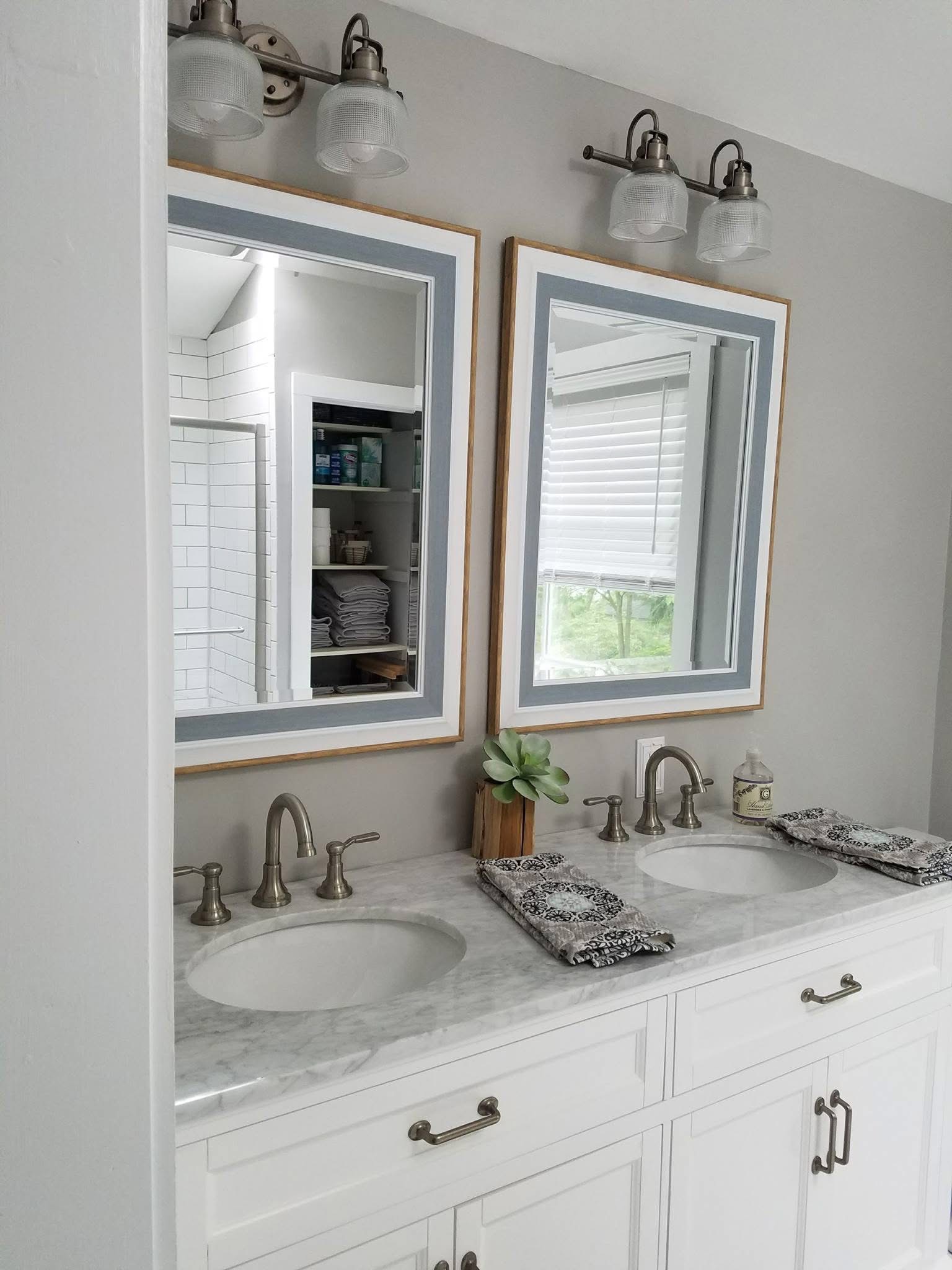
The Most Overlooked Part of Every Bathroom Remodel: Waterproofing | iSpec LLC
Planning a bathroom remodel in Columbus? Discover why proper waterproofing is one of the most important—and most overlooked—parts of every bathroom renovation. Learn how it protects your investment for years to come.
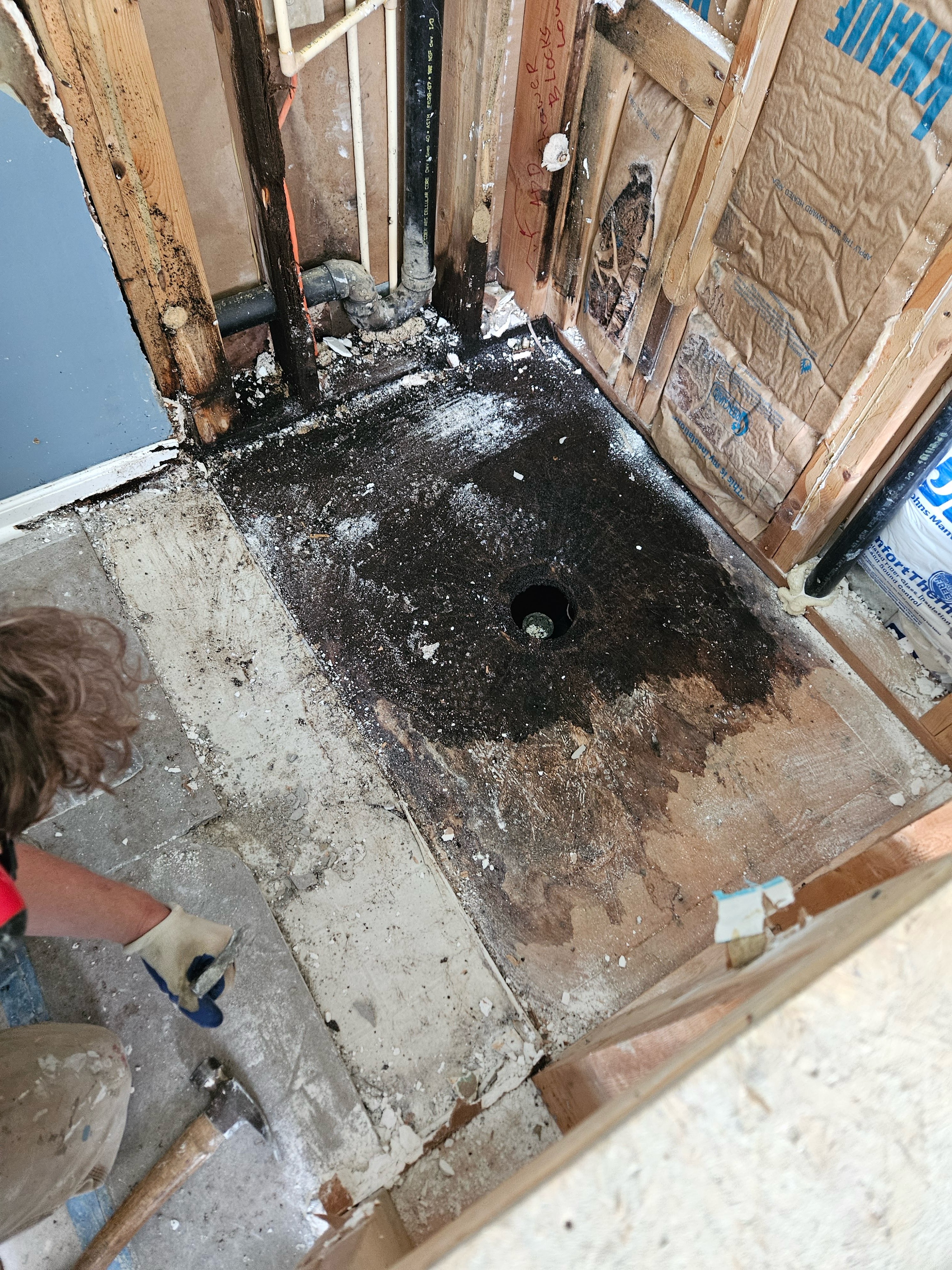
What’s Behind Your Bathroom Walls? Hidden Problems We Often Find During Demolition | iSpec LLC
Planning a bathroom remodel in Columbus? Discover the hidden issues contractors often uncover behind bathroom walls, including water damage, mold, outdated plumbing, and improper ventilation—and why addressing them matters.
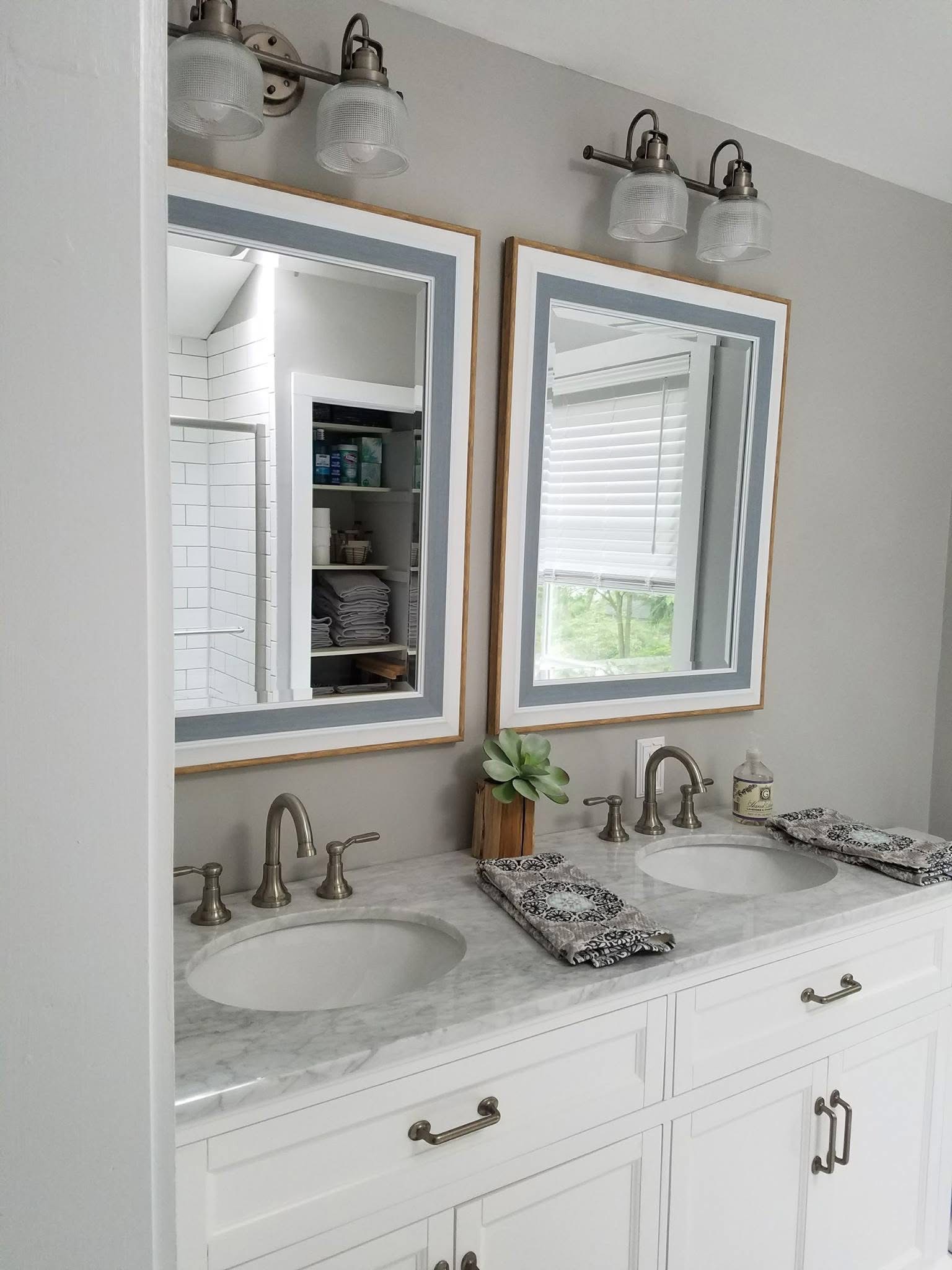
Why a Columbus Bathroom Can Cost $6,000 or $75,000 — The Four Tiers Explained
A bathroom renovation in Columbus can cost $6,000. Or it can cost $75,000. Both numbers describe real projects finished in central Ohio this year. The range isn't about contractors charging different rates — it's about scope, materials, layout, and what's behind the walls when demolition starts.