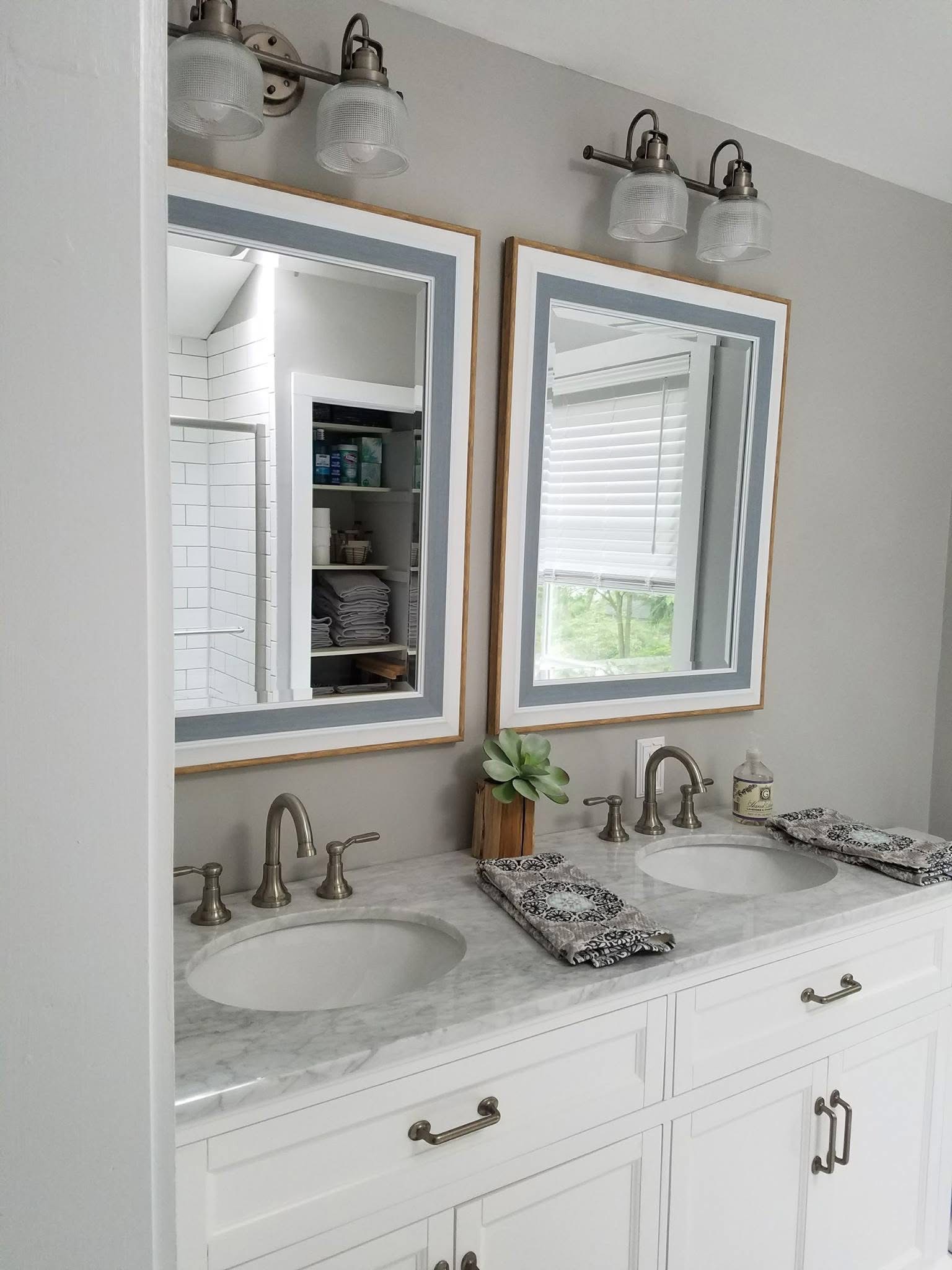
Why a Columbus Bathroom Can Cost $6,000 or $75,000 — The Four Tiers Explained
A bathroom renovation in Columbus can cost $6,000. Or it can cost $75,000. Both numbers describe real projects finished in central Ohio this year. The range isn't about contractors charging different rates — it's about scope, materials, layout, and what's behind the walls when demolition starts.
Most homeowners want a number before they understand what that number actually buys. The better way to think about a bathroom budget is to know which tier you're shopping in. Once the tier is clear, the price makes sense. Here are the four investment tiers, what's inside each, and which one fits which project.
Tier 1 — Cosmetic Refresh: $6,000–$12,000
A refresh updates surfaces without changing the bathroom's bones. The plumbing doesn't move. The tub stays where it is. Walls aren't opened beyond what's needed to swap a fixture [1].
What this tier typically includes: fresh paint, new faucet and showerhead, new toilet, an off-the-shelf vanity with a solid-surface or basic quartz top, luxury vinyl plank or budget porcelain flooring, and updated lighting. The existing tub is often refinished rather than replaced — a $300–$600 service that adds five to seven years to a sound tub [2].
ROI on this tier is the highest in any bathroom investment band — typically 70–85 percent at resale [3]. It's the right call for a home being prepped for market, a rental property, or a secondary bathroom that needs to look current without real money.
What it doesn't deliver: a new layout, a larger shower, custom millwork, or stone surfaces. The bathroom looks fresh. It doesn't feel transformed.
Tier 2 — Mid-Range Remodel: $15,000–$30,000
This is the most common tier and what most Columbus homeowners actually mean when they say "renovation." The room gets gutted to the studs. The layout stays put. Everything inside gets replaced.
A mid-range project typically includes a new vanity with quartz or solid-surface counter, a tub-to-shower conversion or a new tub-and-shower combination, porcelain tile on the floor and in the shower surround, a new toilet, updated lighting throughout, a new exhaust fan, and fresh paint. Materials are good quality and durable. The work is professional and code-compliant.
The 2025 Cost vs. Value Report from Zonda/JLC puts the national average for a mid-range bath remodel at roughly $25,251, with a return of approximately 74 percent at resale [4]. That ROI consistently outperforms the upscale tier and is one of the highest returns in interior remodeling.
This is the tier where most Columbus homeowners get the largest functional gain per dollar. The room is no longer dated. Fixtures work properly. Materials will last 15–20 years with normal care. What it doesn't deliver is the visual and tactile difference of stone, custom cabinetry, or the finish-grade work that announces itself.
Tier 3 — High-End Remodel: $35,000–$65,000
This tier crosses a line. Layout changes become viable. Custom and semi-custom work enters the project. Materials shift from "good quality" to "specified" — chosen for a reason rather than pulled from a stock catalog.
A high-end remodel commonly includes a relocated or expanded shower with frameless glass and a tile bench, a freestanding tub if the space allows, a custom or semi-custom vanity with a stone top, large-format porcelain or natural stone tile, designer fixtures, layered lighting on dimmers, a heated floor under the primary walking area, and upgraded ventilation. Layout adjustments — moving a doorway, expanding into an adjacent closet, repositioning a vanity wall — are common at this level.
The 2025 NKBA survey found 31 percent of homeowners spent over $35,000 on their bathroom remodel, placing this tier squarely in mainstream territory for primary bathrooms [5]. ROI at resale drops to 45–55 percent, because the spending now outpaces what most buyers will pay extra for in a comparable home [3].
This tier is appropriate when the homeowner plans to live in the home for at least seven to ten years, when the existing layout has functional problems worth solving, or when the bathroom serves a primary suite where daily quality of life justifies the spend.
Tier 4 — Luxury Renovation: $65,000–$150,000+
A true luxury renovation isn't a more expensive version of high-end. It's a different kind of project. The scope expands beyond the bathroom itself, materials get specified to a level of detail most homeowners don't know is possible, and the trades involved include people whose entire careers are built on a single craft.
A luxury bathroom typically includes a fully reconfigured layout — often expanded into adjacent space (a closet, a hallway alcove, a borrowed corner from an adjoining bedroom). The shower is a custom-built wet room with multiple shower heads, body sprays or a rain head, integrated bench seating, niche storage executed in natural stone, and frameless low-iron glass. The tub is freestanding, often stone-resin or cast iron, positioned as a sculptural element.
Surfaces shift to natural stone — marble, limestone, quartzite — used in book-matched arrangements where the veining is selected slab by slab. Cabinetry is custom millwork. Hardware is solid brass or unlacquered finishes from specification-grade manufacturers. Plumbing fixtures often come from European houses.
Beyond visible surfaces, a luxury renovation typically includes heated floors throughout, integrated towel warmers, programmable digital shower controls, a steam shower system, smart lighting on scenes, dedicated ventilation engineered for the room's volume, and acoustic treatment. Plumbing is replaced from the stack out. Electrical is upgraded with a dedicated subpanel.
ROI at resale typically falls to 35–45 percent at this tier [3] — which is the wrong way to evaluate luxury work. A luxury bathroom is a use case, not an investment vehicle. The return is measured in daily quality of life over a decade.
What Drives the Range Within Each Tier
Even inside a single tier, the same renovation can vary 20–30 percent. Three factors do most of the work.
Whether the plumbing moves. Keeping fixtures on their existing rough-ins controls the budget more than any other single decision. Moving a toilet, shower drain, or vanity location can add $5,000 or more before any finishes are selected [6]. A bathroom that respects existing plumbing rough-ins is 25–35 percent less expensive than one where everything moves.
Age of the home. Renovating in a Columbus home built before 1980 carries a near-certain risk of finding something behind the walls that requires repair. Old galvanized supply lines, knob-and-tube wiring, or rotted subfloor under a tub that's been leaking for years — none of these show up on a pre-renovation quote. Industry data suggests roughly 30 percent of bathroom remodels uncover damage during demolition [7]. A 15–20 percent contingency reserve isn't optional in older Columbus housing stock.
Selection discipline. A high-end project can stay at $40,000 or drift to $58,000 depending on how many "small" upgrades get approved during the project. Designer hardware instead of premium stock. Hand-laid mosaic in a shower niche. A second sconce. None expensive on their own. All of them together commonly add 15–20 percent.
How to Find Your Tier
The reliable approach isn't picking a number and choosing materials to fit. It's defining the project — what work needs to happen, what the room needs to do, how long it needs to last — and then pricing that.
A homeowner staying two years should look at Tier 1 or 2. A homeowner staying ten years can justify Tier 3. A homeowner staying indefinitely, where daily comfort outweighs resale math, is where Tier 4 makes sense.
The bathroom cost estimator on this site walks through tier-specific scenarios for Columbus pricing. It's built to show how individual decisions move the number — keep the layout vs. move the plumbing, stock vanity vs. custom millwork, mid-grade fixtures vs. premium. The goal isn't a quote. It's understanding what the number actually buys.
The homeowners happiest with their bathrooms aren't the ones who spent the most. They're the ones who knew what tier they were shopping in before they wrote a check.
For a complete breakdown of bathroom renovation costs, hidden expenses, and how to read a contractor quote, see the full bathroom renovation cost guide.
Sources
- HomeGuide — How Much Does a Bathroom Remodel Cost? (2026)
- USA Cabinet Store — Small Bathroom Remodel Cost in 2026
- Moreno Bath — How Much Can a Bathroom Remodel Improve Your Home Value in 2025
- This Old House — How Much Does It Cost to Remodel a Bathroom in 2025
- Bezruchuk — Bathroom Remodel Cost: Real 2026 Pricing Guide
- Realm Home — Breaking Down Labor Cost to Remodel Bathroom
- Custom Built Blog — 10 Hidden Bathroom Remodel Costs
Related Posts
Where Does a $25,000 Bathroom Remodel Budget Go? | Columbus, OH
Wonder where your $25,000 bathroom remodel budget actually goes? See how labor, materials, fixtures, plumbing, tile, permits, demolition and more can add up for a Columbus bathroom renovation.
The Most Overlooked Part of Every Bathroom Remodel: Waterproofing | iSpec LLC
Planning a bathroom remodel in Columbus? Discover why proper waterproofing is one of the most important—and most overlooked—parts of every bathroom renovation. Learn how it protects your investment for years to come.
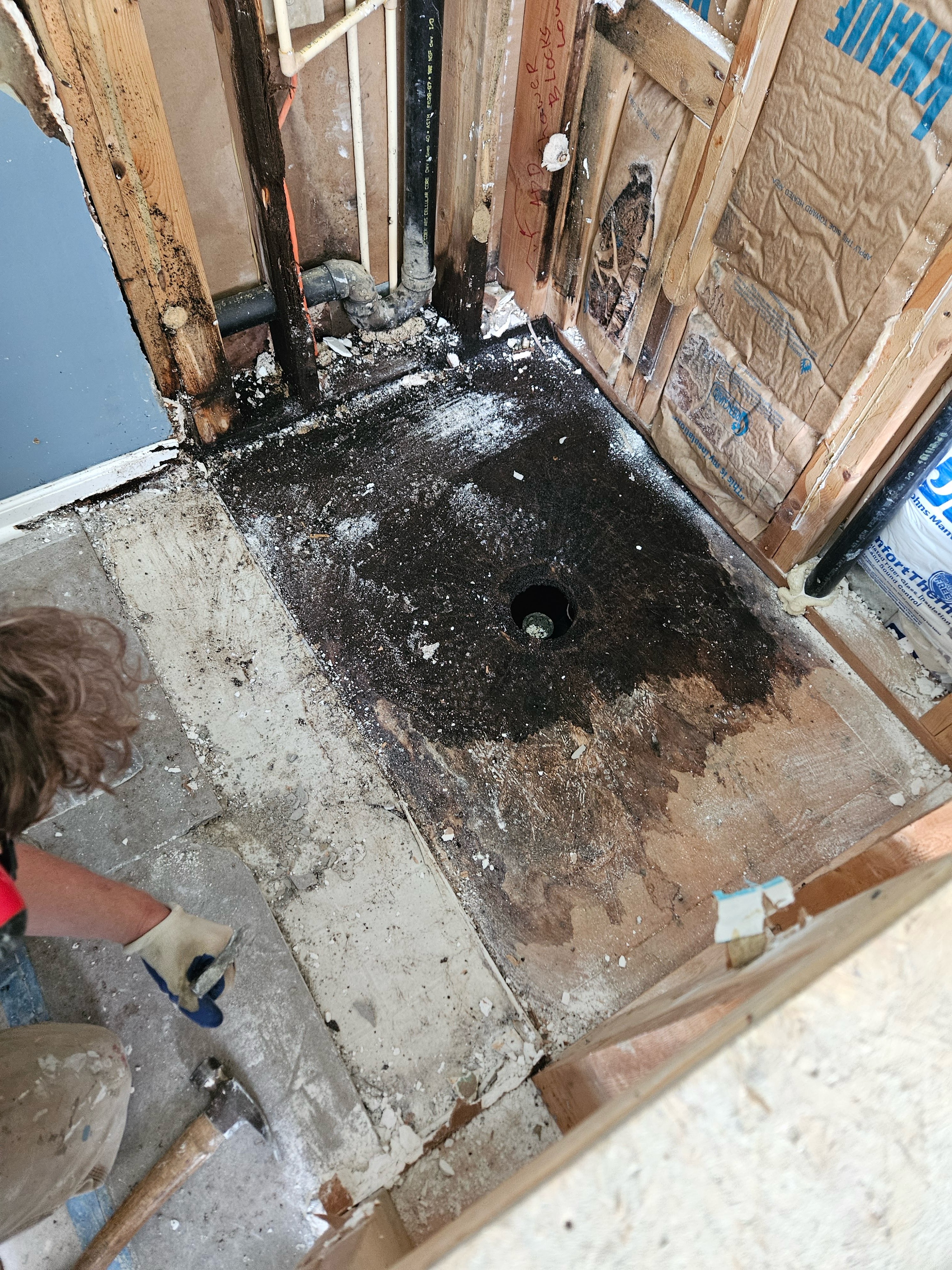
What’s Behind Your Bathroom Walls? Hidden Problems We Often Find During Demolition | iSpec LLC
Planning a bathroom remodel in Columbus? Discover the hidden issues contractors often uncover behind bathroom walls, including water damage, mold, outdated plumbing, and improper ventilation—and why addressing them matters.