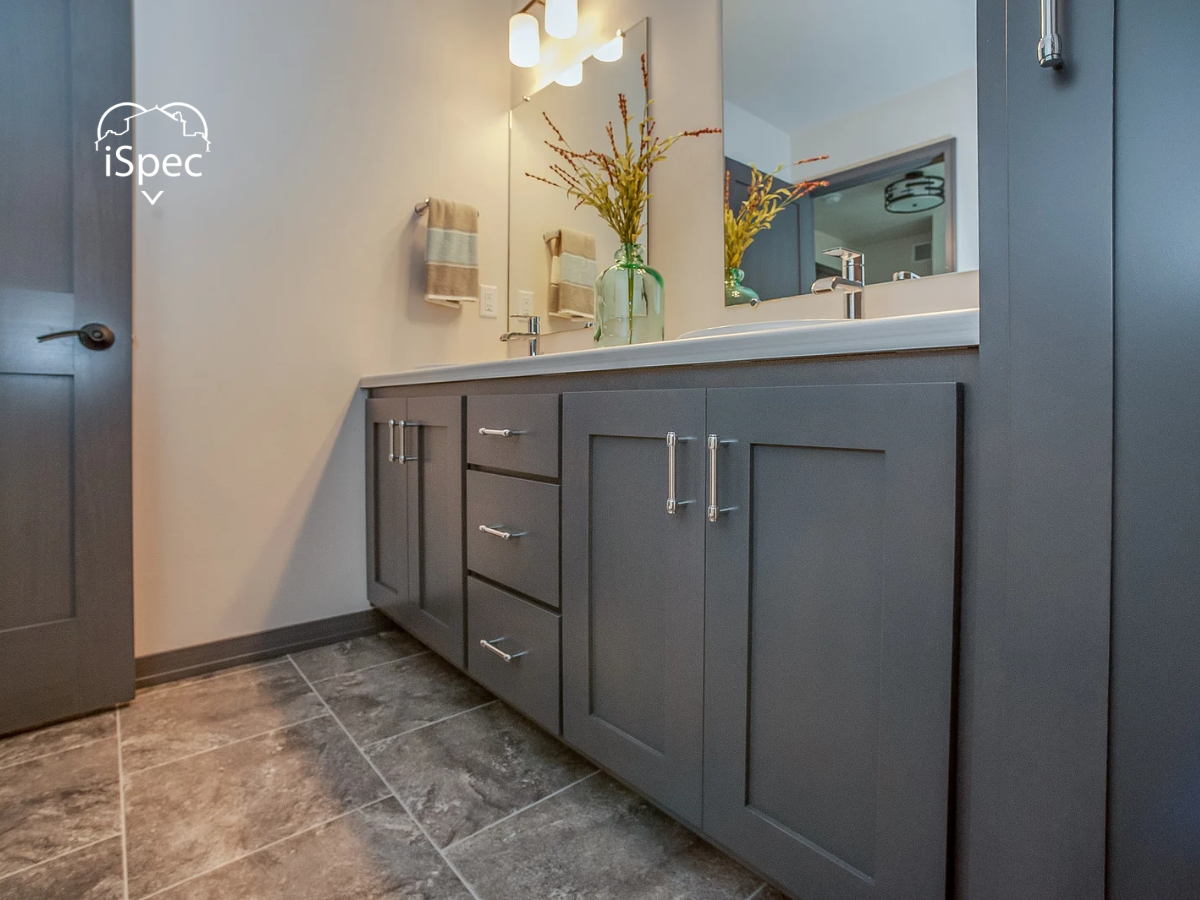
Why Your Neighbor’s Bathroom Cost $25K Less Than Yours | Columbus Bathroom Remodeling
Why Your Neighbor’s Bathroom Cost $25K Less Than Yours for the Same Remodel
You and your neighbor both remodeled a bathroom.
You chose similar finishes. You both replaced the vanity, installed a new shower, upgraded the flooring, and gave the space a completely new look.
But then you find out your neighbor spent $25,000 less.
So naturally, you wonder:
“Did I overpay?”
Not necessarily.
Bathroom remodeling costs can vary dramatically—even when two projects appear nearly identical on the surface. The difference often comes down to what is happening behind the finishes, how much the layout changes, the quality of materials, the condition of the existing bathroom, and what is actually included in the contractor’s scope of work.
The Bathroom May Look the Same—But the Projects Aren’t
One of the biggest mistakes homeowners make when comparing remodeling costs is comparing the finished photographs instead of comparing the scope of work.
Two bathrooms can both have:
- A tiled shower
- A freestanding or double vanity
- New flooring
- Updated lighting
- Modern plumbing fixtures
- Fresh paint
Yet the construction process behind those finishes can be completely different.
One bathroom may require little more than removing old finishes and installing new ones.
The other may involve plumbing relocation, electrical upgrades, framing repairs, waterproofing, structural corrections, new ventilation, or extensive demolition.
That difference can easily add tens of thousands of dollars to a project.
1. Moving Plumbing Can Change the Budget Fast
If your neighbor kept the toilet, shower, and vanity exactly where they were, their plumbing costs may have been relatively limited.
But if your remodel moves the shower to the opposite wall, relocates the toilet, or changes the location of the vanity, the project becomes considerably more involved.
Moving plumbing can require:
- New supply lines
- New drain lines
- Additional demolition
- Framing modifications
- Floor repairs
- Additional labor
A bathroom that looks similar when finished may have required a very different amount of construction work.
2. What's Behind the Walls Matters
Older Columbus homes can present surprises once demolition begins.
Water damage, deteriorated framing, outdated plumbing, electrical issues, and previous remodeling shortcuts may not be visible during the initial walkthrough.
Once the walls or flooring are opened, those conditions have to be addressed before the new bathroom can be properly installed.
This is one reason experienced contractors build contingencies into remodeling budgets.
You aren't necessarily paying more because the contractor is charging more. You may be paying more because your particular house requires more work.
3. Waterproofing Isn't the Place to Cut Corners
A beautiful shower is only as good as the system protecting the structure behind it.
Proper shower waterproofing involves more than simply installing attractive tile. The contractor must use an appropriate waterproofing system and properly address areas such as shower walls, corners, niches, benches, penetrations, and transitions.
Two showers can look nearly identical on the day they are completed while having very different levels of protection behind the tile.
Waterproofing is one of those parts of a bathroom remodel that homeowners may never see—but it can have a major impact on the long-term performance of the space.
4. Finish Quality Can Create a Major Price Difference
“White tile and a white vanity” doesn't necessarily mean the same products.
Bathroom remodeling costs can change substantially depending on the materials selected.
For example, there can be significant differences between:
- Stock and custom cabinetry
- Builder-grade and premium plumbing fixtures
- Standard and specialty tile
- Prefabricated and custom shower components
- Laminate and natural or engineered stone countertops
- Standard mirrors and custom glass
- Basic and designer lighting
When homeowners compare two bathroom prices, the material specifications need to be compared—not just the photographs.
5. Labor and Contractor Scope Aren't Always Comparable
A remodeling estimate is more than a list of materials.
It also reflects the labor, project management, subcontractors, scheduling, insurance, site protection, demolition, disposal, permits when required, installation, and coordination necessary to complete the work.
One contractor's proposal may include extensive preparation and project management while another may leave certain items outside the base price.
That is why the lowest estimate isn't automatically the lowest final cost.
6. The “Same Remodel” May Have Different Definitions
When someone says, “We remodeled our bathroom for $30,000,” it's worth asking what that actually included.
Did they:
- Move the plumbing?
- Replace the subfloor?
- Upgrade the electrical system?
- Replace the exhaust fan?
- Use custom cabinetry?
- Install a fully waterproofed tile shower?
- Replace the shower glass?
- Pay for design services?
- Include permits and inspections?
- Address unexpected damage?
Without knowing the complete scope, the two prices aren't really comparable.
7. Your House May Simply Be Different
Even two homes on the same street can have very different remodeling requirements.
Construction methods, age, previous renovations, plumbing locations, electrical systems, structural conditions, and maintenance history can all influence the cost.
That's particularly important when remodeling older homes in Columbus neighborhoods, where what you find behind the walls may be very different from what you expected based on the appearance of the finished bathroom.
What Should You Compare Instead of the Final Price?
When comparing bathroom remodeling estimates, look beyond the bottom line.
Ask each contractor to clearly define:
- Demolition and disposal
- Plumbing work
- Electrical work
- Framing and drywall
- Waterproofing system
- Tile installation
- Cabinetry and countertops
- Plumbing fixtures
- Lighting and electrical fixtures
- Shower glass
- Painting
- Permits and inspections
- Project management
- Allowances and exclusions
- How unforeseen conditions will be handled
Once the scopes are placed side by side, a $25,000 difference can become much easier to understand.
The Real Question Isn't “Why Did They Pay Less?”
The better question is:
“Are we comparing the same project?”
Bathroom remodeling is a combination of design, materials, skilled labor, construction conditions, and decisions made before the first piece of tile is installed.
A lower price can reflect a simpler scope. A higher price can reflect additional construction, upgraded materials, more extensive preparation, or a more comprehensive project.
The important thing is knowing exactly what you're paying for.
Planning a Bathroom Remodel in Columbus, Ohio?
At iSpec LLC, we believe homeowners deserve to understand their remodeling investment before construction begins.
From design and planning through demolition, construction, installation, and finishing details, our goal is to create a clear scope of work so you can make informed decisions about your bathroom renovation.
If you're planning a bathroom remodel in Columbus, Ohio, don't compare estimates by price alone. Compare the scope, materials, construction requirements, and level of work included.
Because two bathrooms can look the same—and still have $25,000 worth of differences behind them.
Contact iSpec LLC to discuss your bathroom remodeling project and begin planning a space designed around your home, your needs, and your goals.
Related Posts
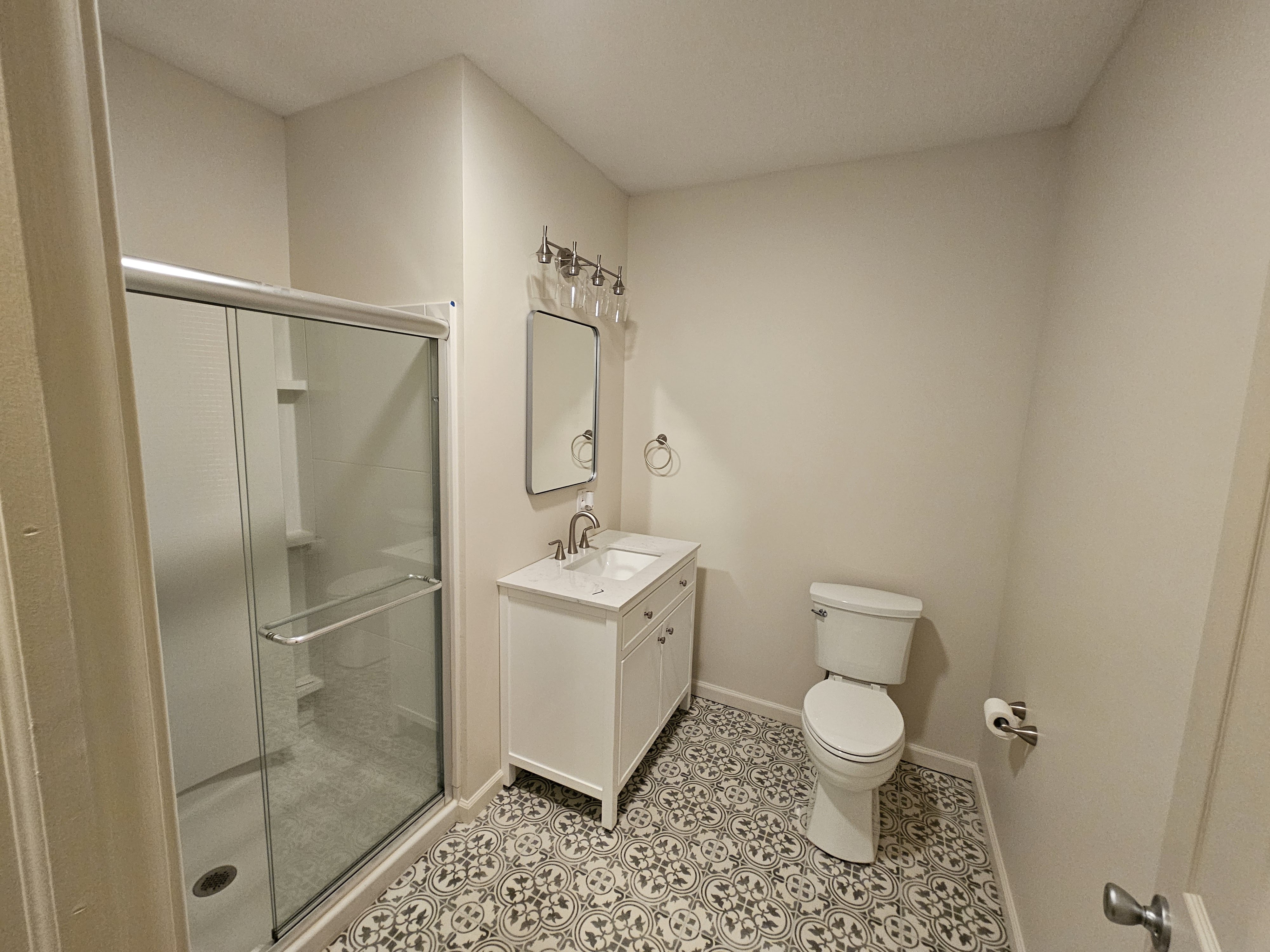
Walk-In Shower Conversion Cost in Columbus, Ohio (2026)
What it costs to convert a tub to a tiled walk-in shower in Columbus: mid-range and high-end ranges by room size, curb versus curbless, a worked 11-day example, timeline and permits.
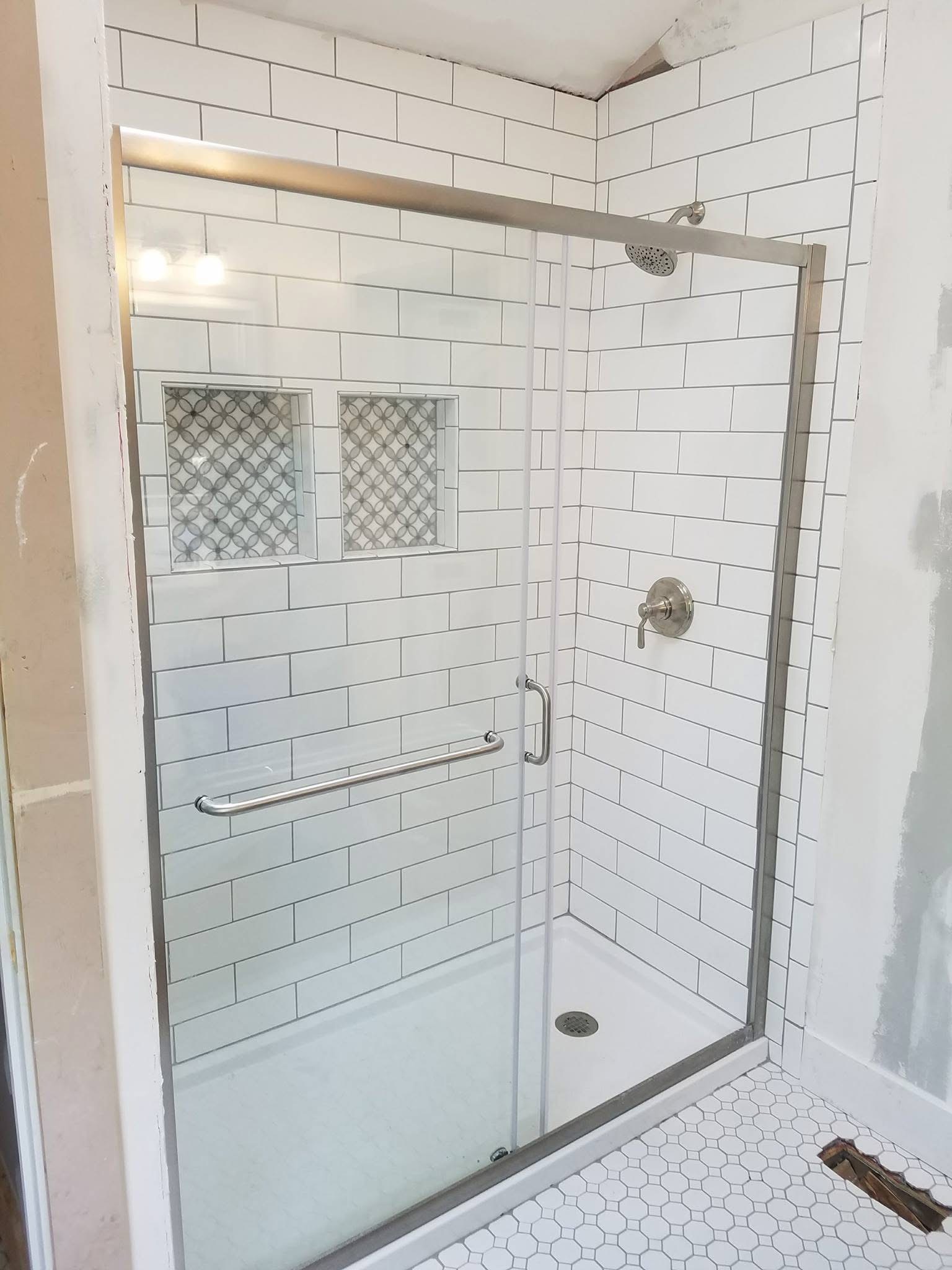
Tub-to-Shower Conversion Cost in Columbus: Like-for-Like vs Tiled
The two versions of a Columbus tub-to-shower conversion priced side by side: a one-week like-for-like swap against a tiled gut remodel, with man-hours, allowances, timeline and permits.
Primary Bathroom vs Hall Bathroom Remodel Cost in Columbus (2026)
Columbus bathroom remodel costs by room size and tier, side by side: what a primary bath costs against a hall bath, plus double vanities, layout changes and second-floor bathrooms.